

Hyperpigmentation can make your complexion look dull and uneven, leading many to search for a reliable dark spot treatment. Understanding the underlying causes of skin discoloration is the first step toward finding a solution that provides lasting results. This guide explains how different ingredients and procedures target excess pigment to help you achieve a more uniform skin tone.
What is the best treatment for dark spots on the face?
Finding the best treatment for dark spots depends heavily on the type of pigmentation you are experiencing and your specific skin type. Dermatologists typically categorize effective solutions into two groups which include topical skincare and professional in office procedures. Topical treatments are often the first line of defense because they are accessible and can be integrated into a daily routine. Ingredients like hydroquinone, kojic acid, and niacinamide are frequently cited as the gold standard for reducing the visibility of brown patches.
For those looking for a comprehensive over the counter option, the Dark Spot Treatment from Meaningful Beauty is a specialized serum designed to brighten the appearance of sun spots and dark patches. This formula uses a blend of kojic acid, tranexamic acid, and niacinamide to help even skin tone in as little as two weeks. It also contains bakuchiol, which is a plant based ingredient that provides results similar to retinol without the same level of irritation for some users.
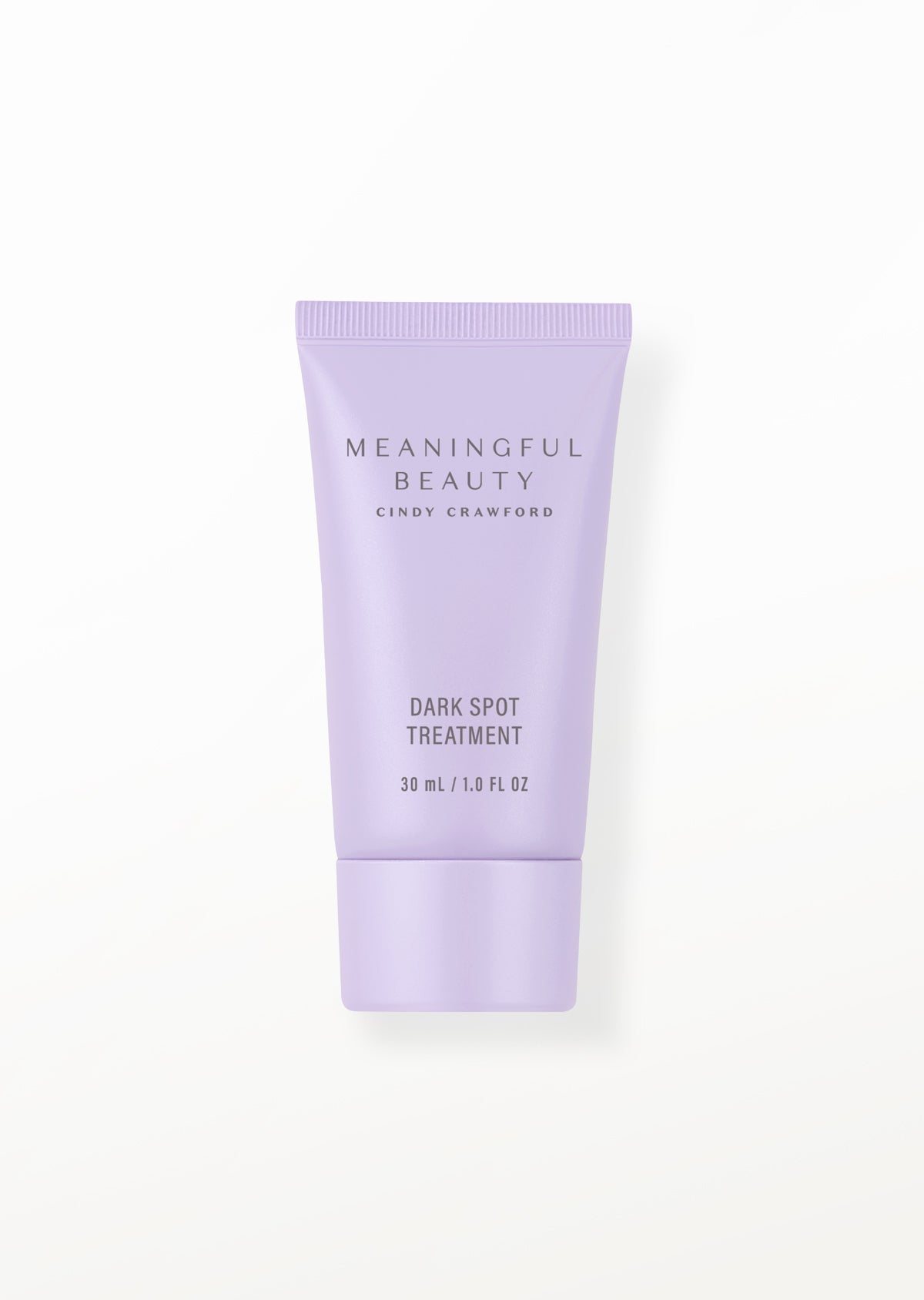
When selecting a product, it is vital to check the ingredient list for stabilizers and enhancers. For example, the Meaningful Beauty formula includes glycolic acid and retinol to promote skin cell turnover, which helps the brightening agents penetrate more effectively. However, users should be aware that products containing alpha hydroxy acids can increase sun sensitivity, so daily application of sunscreen is mandatory during and after use.
Biological causes of skin discoloration and hyperpigmentation
To treat dark spots effectively, you must understand why they form. The primary driver of skin discoloration is an overproduction of melanin, which is the pigment that gives skin its color. When certain triggers stimulate melanocytes, these cells produce excess pigment that clusters in specific areas. Common causes include:
- UV Exposure: Sun damage is the most frequent cause of solar lentigines, also known as age spots or liver spots. Ultraviolet rays accelerate melanin production to protect the skin, leading to permanent patches over time.
- Hormonal Changes: Melasma is a specific type of hyperpigmentation often triggered by hormonal shifts, such as those occurring during pregnancy or while taking oral contraceptives.
- Post Inflammatory Hyperpigmentation: This occurs after the skin has been injured or inflamed by acne, eczema, or a physical scrape. The skin produces extra pigment as it heals, leaving a dark mark long after the initial wound is gone.
- Natural Aging: As skin ages, the number of melanocytes decreases, but the remaining ones increase in size and their distribution becomes more focused, leading to more visible spots.
Identifying which category your spots fall into can help you choose the right Targeting Dark Spots & Hyperpigmentation products for your specific needs.
What fades dark spots the fastest according to clinical research?
In the world of dermatology, the fastest results usually come from a combination of prescription medications and in office procedures. According to the Mayo Clinic, prescription bleaching creams containing hydroquinone are considered the most effective topical treatment. Hydroquinone works by halting the production of melanin and inhibiting tyrosinase, which is the enzyme responsible for pigment formation. These prescription strengths are significantly more powerful than over the counter versions but must be used under medical supervision due to potential side effects like redness or temporary itching.
If you are looking for rapid improvement outside of a doctor's office, clinical grade serums containing tranexamic acid and niacinamide have shown promising results in trials. For example, some topical formulas claim to visually decrease the appearance of spots in just fourteen days. While this is fast for skincare, it still requires consistent twice daily application and strict sun protection to maintain the results.
Professional clinical options for intensive dark spot treatment
When topical creams are not enough, professional procedures can target pigment at deeper levels of the dermis. These treatments are often more expensive and are typically not covered by insurance, but they offer the most dramatic transformations. Common clinical options include:
Laser and Intense Pulsed Light Therapy
Lasers are often called the gold standard for sun spot removal. Intense Pulsed Light or IPL targets melanin with light energy pulses that destroy the pigment producing cells without damaging the surface of the skin. Most patients require two to three sessions to see full results. Experts at Schweiger Dermatology note that while these treatments are highly effective, they do involve some downtime where the spots may temporarily appear darker before they eventually flake off.
Chemical Peels
A chemical peel involves applying an acidic solution to the face to remove the top layers of skin. This process allows new, more evenly pigmented skin to grow in its place. Depending on the depth of the peel, you may experience redness for several weeks, and your skin will be extremely sensitive to the sun during the healing phase.
Microdermabrasion and Dermabrasion
Microdermabrasion is a less aggressive procedure that exfoliates the top layer of skin to remove surface discoloration and promote collagen production. It provides modest results over several months. Full dermabrasion is more intense and involves sanding down the skin with a rotating brush, which is usually reserved for more severe texture and pigment issues.
Key ingredients to look for in a topical dark spot treatment
If you prefer a home based approach, your success will depend on the active ingredients in your regimen. Look for these proven brighteners in your Achieving Even Skin Tone collection:
- Vitamin C: A powerful antioxidant that interferes with pigment production and brightens the overall complexion.
- Kojic Acid: Derived from fungi, this ingredient inhibits tyrosinase and is excellent for fading sun damage.
- Niacinamide: Also known as Vitamin B3, it helps prevent the transfer of pigment to skin cells and improves the skin barrier.
- Retinoids: These speed up cell turnover, helping to shed pigmented cells faster and reveal fresher skin underneath.
- Tranexamic Acid: Originally used in medicine to stop bleeding, it has been found to be highly effective at calming the inflammatory pathways that lead to melasma.
How to fade a dark spot in 3 days through realistic skincare
It is important to manage expectations when searching for a quick fix. Fading a dark spot in only three days is biologically difficult because the skin cycle typically takes twenty eight days or longer. However, you can improve the appearance of spots rapidly by using a combination of exfoliation and color correction. Using a gentle alpha hydroxy acid can remove the dead, pigmented cells on the surface, making the spot look lighter almost immediately.
To support your skin's recovery during this process, using a restorative product like the Salmon PDRN Collagen Mask from YURI Korean Beauty can be beneficial. This $39.99 mask contains Salmon PDRN and collagen, which are ingredients known for their skin supporting properties. Integrating a high quality mask into your routine helps maintain hydration, which is essential when using active brightening treatments that can sometimes be drying.

Why daily sun protection is necessary for preventing new spots
No dark spot treatment will be effective in the long term without a commitment to sun protection. UV rays are the most common trigger for melanin production. Even if you successfully fade a spot, a single day of unprotected sun exposure can cause the pigment to return. Experts recommend using a broad spectrum sunscreen with an SPF of 30 or higher every single day, even when it is cloudy or when you are staying indoors near windows.
In addition to sunscreen, wearing protective clothing like wide brimmed hats and seeking shade during peak sun hours can significantly reduce your risk of developing new solar lentigines. If you are using products with AHAs or retinoids, your skin is even more vulnerable to burns, making this step non negotiable.
Nighttime restoration for a brighter and more even complexion
Your skin does the majority of its repair work while you sleep, making your nighttime routine the perfect opportunity for intensive care. Applying a targeted dark spot treatment before bed allows the active ingredients to work without interference from sunlight or environmental pollutants. Many people find success by layering a serum with a nutrient rich night mask to lock in moisture and active ingredients.
For those focused on overall skin health, exploring the Korean Beauty Mask Collection can provide additional tools for your arsenal. Using a collagen based mask like the one from YURI helps ensure the skin remains plump and hydrated, which reflects light better and makes hyperpigmentation less noticeable. A well hydrated skin barrier is also more resilient against the inflammation that leads to post inflammatory hyperpigmentation.
How to choose the right dark spot treatment for your skin type
Before purchasing any treatment, consider your skin's sensitivity levels. If you have dry or sensitive skin, you should look for brightening agents that are paired with soothing ingredients like glycerin or niacinamide. The Meaningful Beauty serum, for instance, includes glycerin to help balance the potency of its acid blend. If you have oily skin, you might prefer a lightweight serum or a chemical exfoliant that also helps clear pores.
Always perform a patch test when starting a new dark spot treatment. Apply a small amount of the product to your inner forearm and wait twenty four hours to ensure you do not have an adverse reaction. If you experience severe burning, swelling, or persistent redness, discontinue use and consult a dermatologist. Consistency is the most important factor in seeing results, so choose a product that feels comfortable enough for daily use.
By combining targeted topical solutions with professional procedures when necessary and maintaining a strict sun protection habit, you can significantly reduce the appearance of dark spots. While overnight results are rare, a dedicated approach will lead to a clearer and more radiant complexion over time.