

Finding the most effective HIFU treatment for sagging skin requires understanding the difference between deep structural clinical procedures and regenerative topical skincare. While professional ultrasound sessions target the deepest layers of the face, many people now use Salmon PDRN collagen masks to maintain firmness and skin health between appointments. This guide evaluates both options to help you decide which lifting strategy matches your budget and desired results.
How HIFU treatment for sagging skin remodels collagen
High Intensity Focused Ultrasound, commonly known as HIFU, is a medical procedure that uses concentrated ultrasound energy to target specific depths of the tissue. Unlike lasers that treat the skin surface, HIFU bypasses the upper layers to deliver heat to the Super facial Muscular Aponeurotic System, also known as the SMAS layer. This is the same tissue that surgeons manipulate during a traditional facelift. By creating thermal micro lesions at this depth, the body is forced to initiate a natural healing response, which leads to the production of new, stronger collagen fibers.
Clinical studies published in the Journal of Cosmetic Dermatology indicate that this energy triggers immediate contraction of existing fibers followed by a long term remodeling phase. Most patients observe the most significant tightening and lifting effects between two and six months after the session. Because the procedure stimulates internal biological processes, results appear gradual and natural rather than immediate or surgical. It is frequently used to sharpen the jawline, reduce the appearance of a double chin, and lift the brow area.
HIFU treatment for sagging skin procedure workflow
A typical session for HIFU treatment for sagging skin begins with a thorough cleansing of the treatment area. The practitioner then maps out the face using a skin marker to identify the precise areas where energy will be delivered while avoiding nerves and sensitive structures like the thyroid. A cold ultrasound gel is applied to the skin to facilitate the transmission of waves and protect the surface from heat. During the treatment, the handheld device is pressed against the skin, delivering pulses of energy that may feel like tiny pinpricks or a warm, tingling sensation.
There is no downtime required after the session, making it a popular lunchtime procedure for busy professionals. You might experience slight redness or minor swelling for a few hours, but you can return to your normal skincare routine immediately. It is vital to use high quality sun protection following the treatment to prevent UV damage from interfering with the new collagen formation. Practitioners often recommend pairing these sessions with solutions for sagging skin and loss of elasticity to support the skin barrier during the remodeling phase.
Contraindications for HIFU treatment for sagging skin
While HIFU is a safe and noninvasive option for many, certain medical conditions make individuals ineligible for the procedure. You should not seek this treatment if you have active or open lesions, cystic acne, or infections in the target area. Individuals with pacemakers, defibrillators, or other electronic implants are generally excluded due to the potential for ultrasound energy to interfere with these devices. Similarly, metallic implants in the treatment area, such as dental implants or metal plates in the facial bones, can cause the energy to reflect and cause discomfort or burns.
The procedure has not been evaluated for safety in pregnant or breastfeeding patients, so medical professionals recommend waiting until after this period. If you have a history of keloid scarring or suffer from autoimmune diseases that affect skin healing, you must consult with a doctor first. Understanding these exclusions ensures that you achieve the best outcome without risking adverse reactions. Those who are not candidates for clinical ultrasound often turn to collagen infused Korean skincare as a safer alternative for improving skin bounce and texture.
Salmon PDRN as a topical lifting alternative
Salmon PDRN, or Polydeoxyribonucleotide, is a DNA fragment extracted from salmon sperm that has become a cornerstone of regenerative medicine in South Korea. This ingredient is highly compatible with human DNA, allowing it to penetrate and communicate with skin cells effectively. It primarily works through the A2A receptor pathway, which helps regulate inflammation and stimulate the growth of fibroblasts, the cells responsible for making collagen and elastin. While HIFU provides a mechanical lift by heating deep tissue, PDRN provides a chemical signal for the skin to repair and rejuvenate itself from the top down.
Topical application of Salmon PDRN is especially beneficial for individuals with compromised skin barriers or those who want to avoid the high costs and potential discomfort of clinical procedures. It excels at improving skin resilience, reducing the appearance of enlarged pores, and creating a luminous glow often referred to as glass skin. When formulated into a night mask, PDRN works for several hours to hydrate and firm the skin while you sleep. This makes it an excellent choice for overnight rejuvenation and repair routines.
HIFU vs Salmon PDRN mask comparison table
| Feature | HIFU Clinical Treatment | Salmon PDRN Collagen Masks |
|---|---|---|
| Primary Goal | Deep structural lifting (SMAS) | Regenerative repair and surface firming |
| Cost per Session | $2,000 to $4,000 | $27.50 to $80.00 |
| Pain Level | Moderate (Heat pulses) | None (Soothing) |
| Results Timeline | 2 to 6 months | Immediate glow; weeks for texture |
| Downtime | None | None |
Best Salmon PDRN masks for lifting at home
For those looking to achieve firmer skin without the clinical price tag, several high performance masks utilize the power of Salmon DNA. These products are designed to deliver active ingredients deep into the epidermis to mimic some of the regenerative effects seen in professional treatments.
YURI Salmon PDRN Collagen Mask
The Salmon PDRN Collagen Mask from YURI is a focused treatment designed for those who want professional grade ingredients in an accessible format. Priced at $39.99, it sits as a high value option for users who prioritize concentrated formulas for night care. This mask is part of the YURI best selling K beauty products, favored for its ability to target the signs of aging while providing deep hydration.

Medicube Salmon PDRN Pink Collagen Jelly Gel Mask
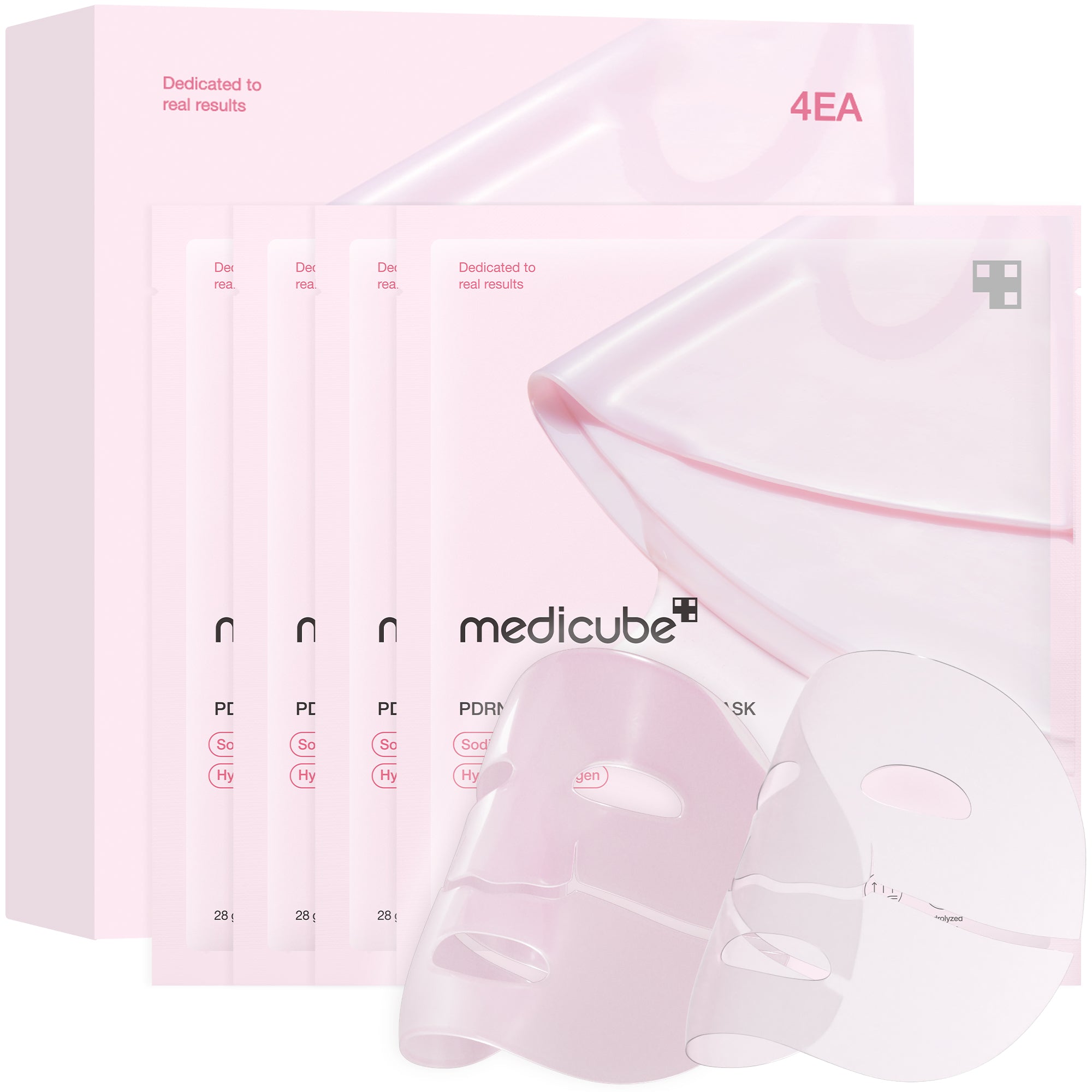
The Medicube Salmon PDRN Pink Collagen Jelly Gel Mask is priced at $27.50 and features a color changing technology that signals when the ingredients have been absorbed. The gel transforms from pink to transparent as it works on the skin. It contains low molecular collagen and Salmon PDRN to enhance elasticity and provide a luminous glow. This mask has been dermatologically tested to be low irritating and is free from artificial colors. It is a great choice for those seeking glass skin results on a budget.
Quasi Salmon PDRN Collagen Mask
The Quasi Salmon PDRN Collagen Mask is a premium option priced at $80.00 for a box of four masks. It is intended as a one month treatment with one application per week. The formula uses low molecular weight collagen and Salmon DNA to target uneven skin tone and enlarged pores. Like the Medicube version, this gel formula also changes from pink to transparent over time. It is designed for deep hydration and is a popular pick for special occasion prep skincare due to its intensive plumping effect.

Comparing HIFU treatment for sagging skin costs
The financial commitment for a professional HIFU treatment for sagging skin is significantly higher than that of topical products. According to data from the Aesthetic Society, the average cost of non surgical skin tightening can range from $2,000 to over $4,000 depending on your location and the specific areas being treated. Most patients only require one session every 12 to 18 months to maintain their results, though some practitioners suggest annual touch ups. This equates to a high upfront cost but a very low daily maintenance effort.
In contrast, using a high quality Salmon PDRN mask like the YURI Salmon PDRN Collagen Mask costs $39.99 per application. If used once a week as a consistent firming treatment, the annual cost would be approximately $2,080. While the yearly cost is similar to the lower end of HIFU pricing, the mask offers additional benefits such as immediate hydration, barrier repair, and pore refinement that a clinical ultrasound cannot provide. Many users find that a combination of one HIFU session per year followed by weekly PDRN masks provides the ultimate lifting and maintenance results.
Choosing between clinical HIFU and at home masks
Deciding which option is right for you depends on your skin goals and lifestyle. If you have moderate skin laxity and want to see a structural lift in the jawline and neck, clinical HIFU is the superior choice. It is the only non surgical method that effectively targets the SMAS layer to create long term tissue contraction. However, it requires a higher pain tolerance and a larger initial investment. You must also be patient, as the results will not be fully visible for several months.
If your primary concerns are dullness, fine lines, and minor loss of elasticity, a Salmon PDRN mask is the better starting point. These masks are ideal for individuals with sensitive skin who cannot tolerate the heat of professional ultrasound. They are also excellent for maintenance. If you have already had HIFU or a facelift, using boosting natural collagen production products will help extend the life of your results. PDRN masks are perfect for those who enjoy a self care ritual and want to see an immediate dewy glow while working on long term firmness.