

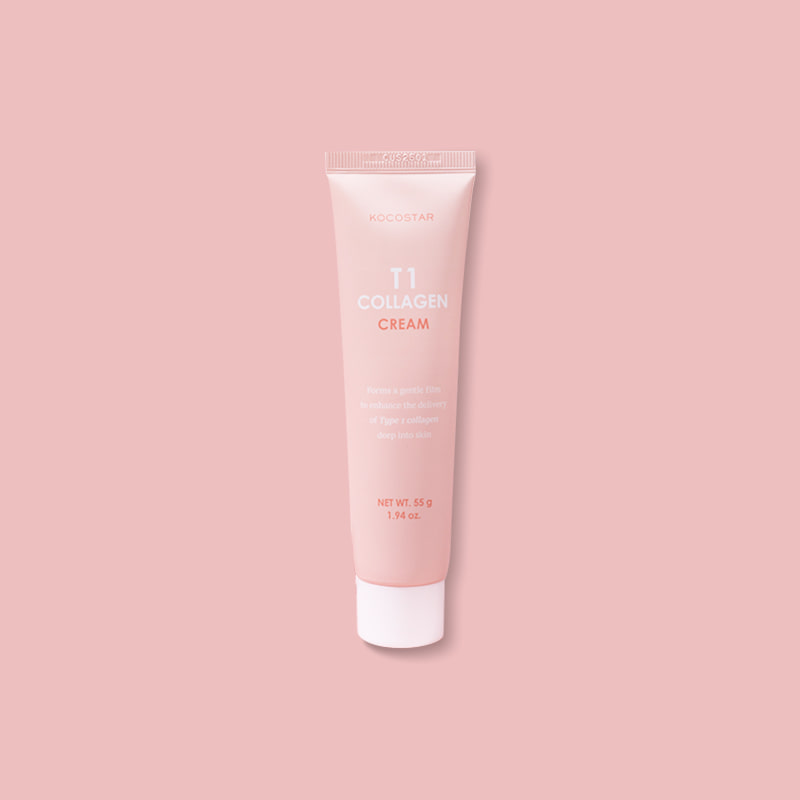
The Korean glass skin trend has evolved from simple hydration to advanced occlusion technology. At the center of this movement is the kocostar t1 collagen face cream to film wrapping mask, a product that transforms from a rich cream into a transparent breathable film. This innovative delivery system ensures that active ingredients penetrate deep into the skin rather than evaporating into the air.
What is a cream to film wrapping mask and how does it work
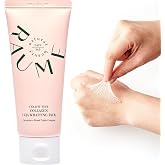
A cream to film wrapping mask represents the next generation of Korean skincare. Unlike traditional sheet masks that can slide off or dry out quickly, these masks start as a thick cream. Once applied, the formula reacts with the air to form a thin, transparent layer often referred to as a wrapping film. This process is designed to create an occlusive barrier that locks in moisture and maximizes the absorption of nutrients like collagen and antioxidants.
The Kocostar T1 Collagen Cream is widely credited as the original product that launched this global trend. The core technology relies on naturally derived cellulose rather than synthetic PVA, which is commonly found in older peel off masks. By using cellulose, the mask remains breathable while still providing the tension needed to firm the skin. This breathable nature allows you to wear the mask for extended periods, including overnight, without causing irritation or clogging pores.
The science behind the kocostar t1 collagen face cream to film wrapping mask
The effectiveness of the kocostar t1 collagen face cream to film wrapping mask lies in its high concentration of Type 1 collagen. Collagen is the most abundant protein in the human body, but Type 1 specifically makes up approximately 85 percent of the collagen found in our skin. This specific type is responsible for the structural integrity, firmness, and elasticity that we associate with youthful skin. Research from National Institutes of Health indicates that topical application of specific collagen peptides can improve skin hydration and density.
The Kocostar formula uses 65 percent pure Type 1 collagen powder. This is a significant distinction from many competitors that use generic hydrolyzed collagen or lower concentrations. Because the mask forms a film, these collagen molecules are pressed against the skin surface for a longer duration, encouraging better integration with the skin barrier. This results in the immediate glass skin effect, where the skin appears smooth, reflective, and intensely hydrated.
How to use Kocostar collagen cream mask for best results
Achieving the best results with the kocostar t1 collagen face cream to film wrapping mask requires a specific application technique. You should start with a clean, toned face. Applying a light serum beforehand can help the mask glide on more easily, though the mask itself contains enough nutrients to work on its own. Use about 5 to 7 grams of the product for the entire face, avoiding the immediate eye area and eyebrows.
The drying time is the most critical phase. Depending on the thickness of the application and the humidity in your room, it can take anywhere from 15 to 30 minutes for the cream to transform into a transparent film. You will know it is ready when the white cream becomes completely clear and feels dry to the touch. You can choose to leave it on for an hour to see immediate brightening results, or wear it as an overnight treatment for deep restoration. To remove it, simply peel the film starting from the edges. There is no need to rinse your face afterward, as any remaining residue acts as a protective glow layer.
For more details on integrating these masks into a full routine, you can read our guide on How to Use Medicube Collagen Jelly Cream for Korean Glass Skin in 2026.
Benefits of the kocostar t1 collagen face cream to film wrapping mask
The primary benefit of the kocostar t1 collagen face cream to film wrapping mask is its ability to provide intense hydration without the mess of traditional masks. Many users report a visible improvement in skin texture and a reduction in the appearance of fine lines after just one use. Because the mask uses a patented dermal delivery system, the active ingredients like Niacinamide and Adenosine are able to penetrate the stratum corneum more effectively.
- Intense Hydration: The film prevents moisture loss, ensuring skin stays plump.
- Improved Elasticity: 65 percent Type 1 collagen supports the skin structural matrix.
- Pore Care: The gentle peeling action helps remove dead skin cells and clear debris.
- Eco Friendly Formula: By avoiding PVA and using cellulose, the product is more sustainable.
- Radiance Boost: Ingredients like Rice Bran Oil and Vitamin E enhance the natural glow.
If you are looking for a high performance alternative designed for overnight use, the Collagen Night Wrapping Mask from YURI Korean Beauty offers similar occlusive benefits for $45. This product is specifically formulated to work with your body's natural circadian rhythm during sleep to repair the skin barrier.

How often should I use the collagen wrapping mask
For most skin types, using the kocostar t1 collagen face cream to film wrapping mask two to three times per week is ideal. This frequency allows the skin to benefit from the high concentration of collagen without overwhelming the skin barrier. If you have extremely dry skin or are preparing for a special event, you can use it more frequently to maintain that glass skin finish. Consistency is key when it comes to long term elasticity and firmness.
Many skincare enthusiasts prefer to use the mask as the final step in their evening routine. This ensures that all the serums and moisturizers applied previously are sealed in. You can browse our Ultimate Collagen Night Wrapping Mask Collection to find various sets that cater to different skin needs. Using a mask regularly helps to build a cumulative effect, where the skin becomes more resilient and hydrated over time.
Does the Korean overnight mask really work
The efficacy of overnight wrapping masks has been validated by both clinical studies and millions of users worldwide. The kocostar t1 collagen face cream to film wrapping mask works because it addresses the problem of transepidermal water loss. During sleep, our skin temperature rises, which can lead to dehydration. The film created by the mask acts as a physical shield, keeping water inside the skin and creating a microclimate that facilitates healing. According to Allure, this occlusive method is one of the most effective ways to achieve the dewy look synonymous with K-beauty.
For those curious about how this compares to other mask types, we have a detailed breakdown in our article Choosing the YURI Korean Beauty Salmon PDRN Collagen Mask vs Collagen Night Wrapping Mask. While sheet masks provide a quick burst of moisture, the cream to film technology provides a deeper and more sustained delivery of active ingredients.
Do collagen face creams actually work
A common question in the skincare community is whether topical collagen can truly make a difference. While collagen molecules are often too large to penetrate the skin deeply on their own, the kocostar t1 collagen face cream to film wrapping mask uses hydrolyzed collagen and a dermal delivery system to overcome this. By breaking down the collagen into smaller peptides and wrapping them in an occlusive film, the formula ensures that the skin surface is saturated with the building blocks it needs for repair.
Furthermore, the presence of ingredients like Niacinamide and Adenosine in the Kocostar formula works synergistically with the Type 1 collagen. Niacinamide helps to strengthen the skin barrier and even out skin tone, while Adenosine is known for its skin smoothing and anti inflammatory properties. This combination makes the mask much more than just a collagen boost, it is a comprehensive treatment for skin aging and texture. You can see more about the visible results in our YURI Collagen Night Wrapping Mask Review.
Key ingredients in the Kocostar formula
Understanding the ingredient list of the kocostar t1 collagen face cream to film wrapping mask helps explain why it is so effective. Beyond the 65 percent collagen, it contains a variety of botanical oils and extracts that nourish the skin. Jojoba seed oil and Macadamia oil provide essential fatty acids that mimic the skin natural sebum, ensuring the mask is comfortable to wear and easy to peel.
Other notable ingredients include Evening Primrose Oil and Calendula extract, which are known for their soothing properties. This is particularly important for a peel off mask, as it ensures the skin is not irritated during the removal process. The formula is also free from harsh synthetic binders, relying instead on Chitosan and Algin to create the film. This makes it a suitable choice for those with sensitive skin who want to participate in the glass skin trend without the risk of redness or inflammation.
The evolution of Korean peel off masks
Peel off masks have come a long way since the high alcohol formulas of the past. The kocostar t1 collagen face cream to film wrapping mask represents a shift toward skin health and barrier support. In 2026, the focus is on products that do not strip the skin but rather infuse it with nutrients. This is why the absence of PVA is so significant. Traditional peel off masks often felt like pulling tape off the skin, whereas modern wrapping masks feel like removing a soft second skin.
If you are interested in exploring more options in this category, check out The Collagen Night Wrapping Mask Collection. These products are designed to provide the same satisfying peel and radiant results with a focus on deep, overnight nourishment. As Korean beauty technology continues to advance, the cream to film method will likely become a staple in every comprehensive skincare routine.