

Choosing between pdrn vs collagen for skin involves understanding how your body repairs cellular damage versus how it maintains its physical structure. While collagen remains the essential protein for firmness and hydration, PDRN offers a regenerative approach that focuses on DNA repair and cellular turnover. This guide explains how to use both technologies to achieve a glass skin complexion and lasting skin health.
What is the difference between pdrn vs collagen for skin?
The primary difference between these two powerhouse ingredients lies in their biological function. Collagen is a structural protein that acts as a scaffold for your skin, providing the physical firmness and elasticity seen in youthful complexions. When you use collagen topically, it primarily serves as a humectant that holds moisture in the surface layers, though low molecular weight versions can provide deeper support for the extracellular matrix.
PDRN, or Polydeoxyribonucleotide, is a DNA based substance typically extracted from salmon trout or salmon sperm. Unlike collagen, which provides building blocks, PDRN acts as a bio stimulator. It triggers the A2A adenosine receptor to promote tissue repair, reduce inflammation, and stimulate the production of your own natural collagen and fibroblasts. When comparing pdrn vs collagen for skin, you are essentially choosing between a structural supplement and a cellular messenger that tells your skin to fix itself.

How pdrn vs collagen for skin ingredients work
Collagen molecules are traditionally large, making it difficult for them to penetrate the dermal layer. Modern Korean skincare solves this by using hydrolyzed collagen, which is broken down into smaller peptides that the skin can absorb more easily. These peptides signal the body that collagen has been damaged, which indirectly stimulates new production. This is highly effective for maintaining a balanced skin barrier and reducing the appearance of fine lines caused by dehydration.
PDRN works through a different pathway called the salvage pathway. It provides the nucleotides and nucleosides necessary for DNA synthesis, which saves cells the energy of creating these components from scratch. This energy can then be used for rapid regeneration and healing. This makes PDRN an ideal ingredient for intensive skin repair treatments, especially for skin that has been exposed to environmental pollutants or professional procedures like microneedling. Research from the National Institutes of Health suggests that PDRN has significant pharmacological activity in wound healing and anti inflammatory responses.
PDRN and Collagen Comparison Table
| Criteria | Collagen | PDRN (Salmon DNA) |
|---|---|---|
| Primary Function | Structural support and hydration | Cellular repair and regeneration |
| Best For | Plumping and surface smoothing | Scars, wrinkles, and barrier repair |
| Source | Marine, bovine, or vegan yeast | Salmon DNA (Salmo salar) |
| Expected Results | Immediate bounce and dewiness | Improved texture over time |
Best Korean skincare products using PDRN and collagen
In the MOFU stage of your research, comparing specific product formulations is vital. Many top brands are now combining these ingredients to provide both immediate and long term benefits. Our top recommendation for those seeking a premium experience is the Salmon PDRN Collagen Mask by YURI Korean Beauty. Priced at $39.99, it offers a high concentration of regenerative DNA alongside structural collagen. While YURI does not release internal clinical trial percentages, the formulation is designed for those who want an experience driven treatment that leaves the skin feeling exceptionally soft and plump.
For users focused on a nightly routine, the Collagen Night Wrapping Mask ($45) is a robust choice. It uses a film forming technology to lock in moisture and active ingredients while you sleep. This is part of the YURI night wrapping mask collection, which focuses on intense overnight transformation for busy professionals and those with mature skin.

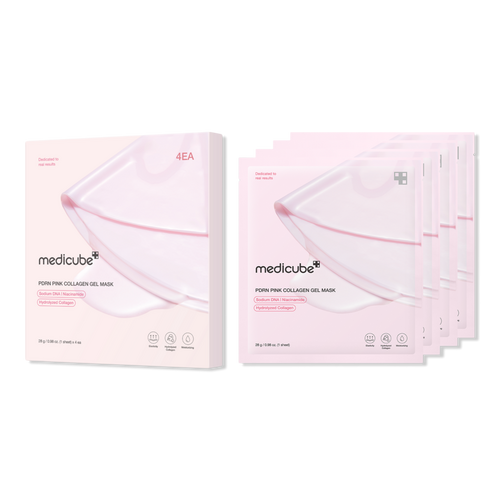
For a more budget friendly alternative, the Medicube Salmon PDRN Pink Collagen Gel Mask is available for $19.90. This product features a color changing gel formula that shifts from pink to transparent as the skin absorbs the nutrients. Clinical results for this product show a significant skin radiance improvement of 51.45 percent and a surface skin moisture improvement of 71.77 percent. It also addresses pore concerns, with a 37.88 percent reduction in pore area, making it a strong competitor for those prioritizing texture refinement.
Clinical safety and practical usage of PDRN
When investigating pdrn vs collagen for skin, safety is a common concern for new users. PDRN is highly biocompatible with human DNA, meaning the body recognizes and uses it efficiently. Clinical studies have shown that it is well tolerated with minimal side effects. However, a notable content gap in current literature is the lack of long term safety data for daily topical use over several years. Most clinical trials focus on shorter durations or injectable administration in clinical settings.
For the best results, PDRN should be applied to clean skin. It is particularly effective when the skin barrier is slightly compromised, such as after a gentle exfoliation or professional treatment, as this allows the nucleotides to reach the target cells more effectively. If you are using a gel mask format, the wear time is usually 20 to 40 minutes, or until the mask becomes transparent. For those with extremely dry skin, using a winter hydration routine that pairs PDRN with a rich ceramide cream can prevent trans epidermal water loss.
Comparing PDRN to retinol and peptides
Many people ask which is better for anti aging, retinol or PDRN. Retinol works by speeding up cell turnover and stimulating collagen at the source, but it can cause significant irritation, peeling, and redness. PDRN is a regenerative bio stimulator that promotes healing without the inflammatory side effects of vitamin A derivatives. While retinol is excellent for surfacing concerns, PDRN is superior for repairing a damaged skin barrier and soothing sensitive skin.
Peptides are another common alternative. While peptides signal the skin to produce specific proteins, PDRN provides the literal genetic material required for cells to regenerate. Peptides are excellent for surface firmness, but PDRN offers a more holistic approach to skin health by addressing the DNA repair mechanism itself. For many, a routine that includes both peptides and PDRN provides the most comprehensive anti aging strategy.
Dermatologist recommendations for PDRN therapy
Do dermatologists recommend PDRN? Yes, particularly for patients undergoing aesthetic procedures. In South Korea, PDRN is often referred to as the Rejuran Healer treatment and is administered via injection to speed up recovery and improve skin quality. Topical formulations have become a popular way to maintain these results at home. Dermatologists often suggest PDRN for patients who struggle with chronic redness, acne scarring, or thinning skin that cannot tolerate traditional acids or retinols.
When choosing a product, look for stabilized formulations. PDRN is hydrophilic and can degrade quickly in water based systems. High quality Korean brands often use encapsulation technology to ensure the DNA fragments remain active until they touch the skin. This level of formulation detail is why premium Korean skincare often outperforms generic western alternatives in the regenerative category.
How to choose between the YURI options
If you are deciding between the YURI Collagen Night Wrapping Mask and the Salmon PDRN Collagen Mask, consider your primary skin goal. The night wrapping mask is the more practical choice for daily use. It is designed for those who want to wake up with visibly hydrated, plump skin without a complicated multi step routine. It is a structural solution that fills in the gaps in your moisture barrier.
The Salmon PDRN mask is the more experience driven and premium feeling option. It is best used two to three times per week as a targeted treatment to address deeper structural issues like volume loss or uneven texture. By using a product from a specialized brand like YURI, you are investing in a targeted salmon PDRN and collagen treatment that bridges the gap between clinical aesthetics and home care. For the ultimate glass skin result, many users rotate both products to ensure they are getting structural support from collagen and regenerative support from PDRN.