

Understanding the fundamental differences between a retinol vs collagen serum is the first step toward achieving a refined and glass skin complexion. While both ingredients are legendary in the skincare world, they address pore care and skin elasticity through distinct biological mechanisms that require different application strategies.
What Is the Difference Between a Retinol vs Collagen Serum
A retinol vs collagen serum comparison reveals two different approaches to anti aging. Retinol, a derivative of Vitamin A, works at a cellular level to speed up cell turnover. This process helps to shed dead skin cells that clog pores and stimulates the production of new skin cells. Over time, this leads to a smoother surface and a visible reduction in the appearance of fine lines. It is widely considered the gold standard for structural skin changes by organizations like the American Academy of Dermatology.
On the other hand, a collagen serum typically focuses on hydration and surface elasticity. Collagen is a large protein molecule that, when applied topically, often acts as a humectant. In advanced Korean formulations, collagen is often designed to form a breathable film on the skin. This film locks in moisture and provides an immediate plumping effect, which helps the skin look bouncy and youthful without the irritation often associated with Vitamin A derivatives.
How a Retinol vs Collagen Serum Impacts Pore Size
When it comes to pore care, retinol and collagen work from opposite directions. Retinol treats the root cause of enlarged pores by regulating oil production and preventing the accumulation of debris. By keeping the pore lining clear, the pore appears smaller because it is not being stretched open by sebum and dead skin. This makes retinol a preferred choice for those with oily or acne prone skin types who struggle with texture issues.
Collagen treatments, particularly wrapping masks, address pores by firming the skin around them. As skin loses elasticity, pores can begin to look like teardrops, a phenomenon known as sagging pores. By boosting the skin moisture levels and improving surface tension, collagen helps to "tighten" the appearance of the skin, making pores look less noticeable. For many users, a combination of these two approaches provides the most comprehensive results for a smooth complexion.
Top Rated Korean Collagen and Pore Treatments for 2026
Selecting the right product requires looking at specific clinical claims and ingredient lists. Here are the leading options for those researching a retinol vs collagen serum routine.
YURI Collagen Night Wrapping Mask

The Collagen Night Wrapping Mask from YURI Korean Beauty is a standout choice for those who want the benefits of collagen without the downtime of traditional retinol. This mask is designed to form a breathable collagen film that locks in moisture for a full 8 hours while you sleep. According to self reported studies, users saw a 31.4% increase in skin elasticity and a 23.4% boost in hydration after consistent use.
The formula is enriched with niacinamide, ceramide NP, and hyaluronic acid to support the skin barrier. Unlike many heavy creams, this wrapping mask is designed not to clog pores, making it an excellent addition to a Pore Minimizing and Refining Solutions routine. It is particularly effective for those with dry or sensitive skin who find retinol too harsh for nightly use.
Medicube Kojic Acid Turmeric Overnight Wrapping Mask

The Medicube Kojic Acid Turmeric Overnight Wrapping Mask focuses on both brightening and texture. Priced at $24.00, this mask uses a combination of turmeric and kojic acid to improve hyperpigmentation and uneven skin tone. Clinical studies for this product showed that hyperpigmentation improved by 24.7% after just three days of use.
In addition to its brightening properties, it contains hydrolyzed collagen and a small amount of retinol to support skin elasticity and firmness. This makes it a hybrid treatment that touches on both sides of the retinol vs collagen serum debate. It provides 24 hour hydration, making it a strong contender for those looking for affordable Brightening Night Treatments.
Laneige Water Sleeping Mask
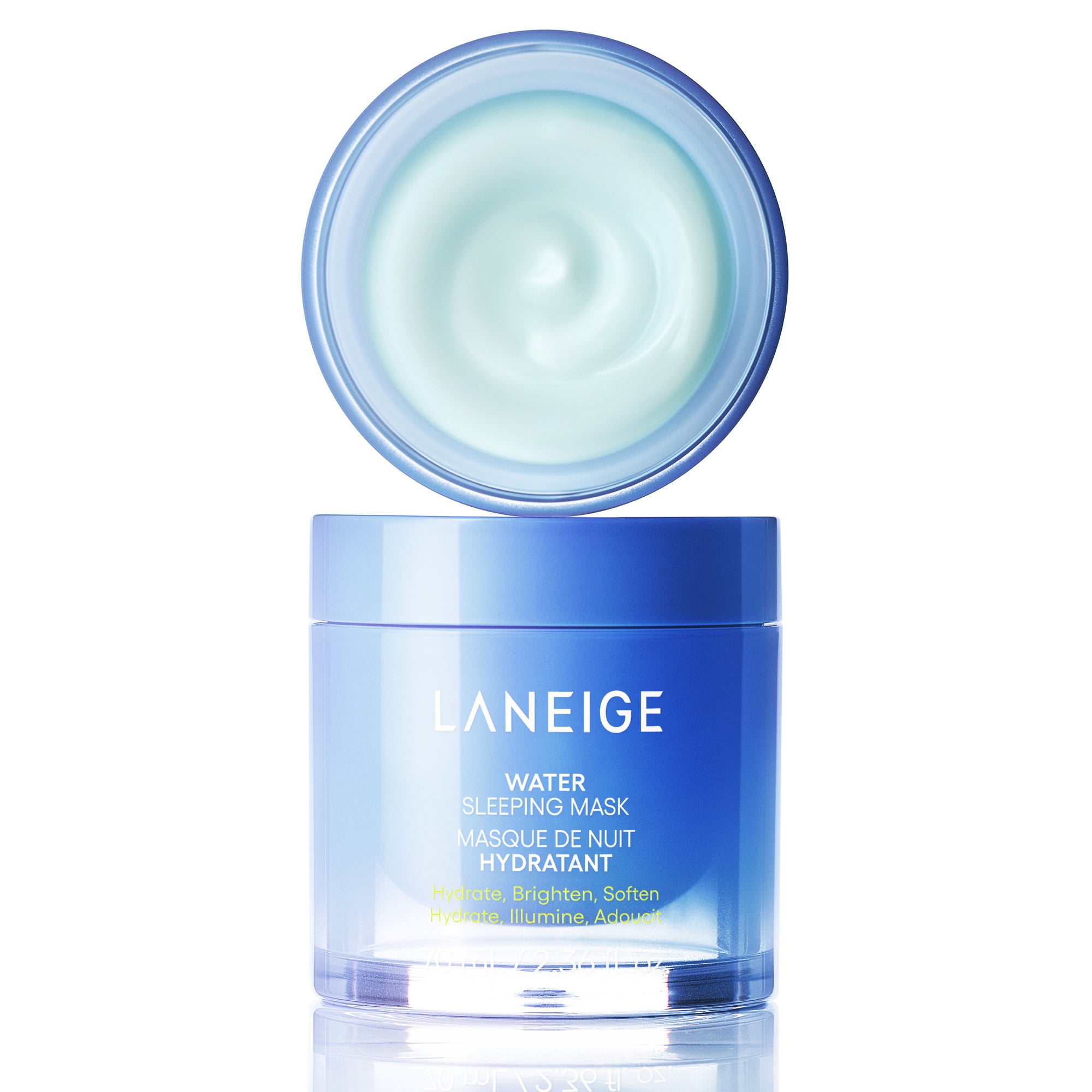
The Laneige Water Sleeping Mask is a well known gel based treatment that retails for $33. It is designed to deeply hydrate and recharge the skin glow. The formula features squalane, niacinamide, and a proprietary 3x Hyaluronic Night Blend. This blend includes three different types of hyaluronic acid intended to deliver long lasting hydration.
While it does not contain high concentrations of collagen or retinol, its focus on barrier support through ceramides and hydration makes it a safe choice for all skin types. It is particularly refreshing for those who prefer a lightweight feel and want to avoid any stickiness during their sleep. You can find similar hydrating options in the Hydrating Collagen Treatments for Night collection.
Dr. Jart+ Ceramidin Skin Barrier Moisturizing Cream

For those who struggle with a damaged skin barrier, the Dr. Jart+ Ceramidin Skin Barrier Moisturizing Cream offers a heavy duty solution. This dermatologist tested cream features five different ceramides and panthenol. Its primary goal is to strengthen the skin barrier and boost elasticity over time.
Clinical data suggests that this cream provides 100 hours of moisture after just one use. While it functions more as a traditional moisturizer than a targeted serum, its ability to improve skin elasticity after four weeks of use makes it a relevant part of any anti aging conversation. It is a reliable choice for those needing an Intensive Skin Repair Treatment.
Is Collagen Serum Better Than Retinol
The answer to whether a collagen serum is better than retinol depends entirely on your specific skin goals and tolerance levels. Retinol is arguably more effective for long term structural changes such as deep wrinkle reduction and permanent pore refinement. However, its high potential for irritation, sun sensitivity, and dryness means it is not suitable for everyone. People with very sensitive skin or conditions like rosacea often find that retinol causes more harm than good.
Collagen serums are often considered better for individuals who need immediate results in terms of hydration and surface smoothness. They are generally safer for all skin types and do not require a ramp up period. If your primary goal is to achieve a dewy glass skin look for a special event, a collagen wrapping mask will provide that instant plumpness that retinol cannot match in a short timeframe.
What Do Koreans Use Instead of Retinol
In Korean skincare culture, the focus is often on prevention and nourishment rather than aggressive treatment. Many Koreans opt for gentler alternatives that provide similar anti aging benefits without the risk of the "retinol uglies," which include peeling and redness. Popular alternatives include bakuchiol, a plant based ingredient that mimics retinol cell turnover effects, and PDRN, which is derived from salmon DNA and known for intense skin repair.
Another popular alternative is the use of film forming wrapping masks, like those found in the YURI Night Wrapping Mask Collection. These products create an occlusive layer that allows the skin to repair itself overnight using high concentrations of collagen and peptides. This "slow beauty" approach is favored for maintaining a healthy skin barrier while still addressing fine lines and pores.
The Correct Retinol Ramp Up Schedule
If you decide that a retinol treatment is right for your pore care needs, you must follow a strict ramp up schedule to avoid damaging your skin. Most dermatologists recommend the following timeline for a standard 0.25% to 0.5% retinol concentration:
- Weeks 1 and 2: Apply a pea sized amount only twice a week, at least three days apart.
- Weeks 3 and 4: Increase to every other night if no redness or flaking occurs.
- Month 2: Gradually move to nightly use, always following with a barrier cream.
It is crucial to avoid using retinol at the same time as Vitamin C, AHAs, or benzoyl peroxide, as these combinations can lead to severe chemical burns or extreme sensitivity. For those who cannot commit to this schedule, a Collagen Infused Korean Skincare routine is a much simpler and safer alternative.
Safety Guidance for Pregnancy and Skin Types
A major factor in the retinol vs collagen serum decision is safety during pregnancy and breastfeeding. Retinol and other retinoids are strictly contraindicated during pregnancy due to the risk of birth defects. For expectant or nursing mothers, collagen serums and hyaluronic acid based products are the recommended choice for maintaining skin health. Always consult with a healthcare provider before starting any new active ingredient during this time.
In terms of skin types, oily skin usually tolerates retinol well and benefits from the oil control. Dry and mature skin types often benefit more from the intense moisture of a collagen wrapping mask. Sensitive skin should always patch test retinol or choose a low irritant collagen formula to avoid inflammatory responses that can actually enlarge the appearance of pores over time.
Choosing the Right Treatment for Your Goals
To summarize the retinol vs collagen serum debate, you should base your choice on your primary concern. If you want to clear out congested pores and treat deep set wrinkles, and your skin is not overly sensitive, retinol is the scientific winner. If you want to fix sagging pores, increase surface bounce, and achieve an immediate glow without irritation, a high quality collagen serum or wrapping mask is the superior option.
Many skincare enthusiasts find that using a collagen mask on nights they are not using retinol helps to manage the dryness associated with Vitamin A. This balanced approach ensures you get the structural benefits of retinol while maintaining the hydration and barrier health provided by collagen. Explore the Top 10 Best Selling YURI Beauty Products to find the perfect match for your nightly ritual.