

A t1 collagen mask represents a significant advancement in Korean skincare technology by using a film forming delivery system to enhance skin elasticity and hydration. These products create a breathable barrier that locks in moisture while allowing active ingredients to penetrate the skin surface effectively throughout the night or during a targeted treatment. Understanding how these masks differ from traditional options is essential for anyone looking to achieve firm and radiant skin in 2026.
What is a t1 collagen mask and how does it work?
A t1 collagen mask is a specialized skincare treatment that focuses on delivering Type 1 collagen, the most abundant structural protein in human skin. Unlike liquid serums or fiber sheets, these masks often utilize a cream or gel base that dries into a thin, transparent film. This film forming technology creates an occlusive layer over the face, which prevents the evaporation of moisture and ensures that the collagen and other nutrients are pushed into the skin rather than sitting on top of it.
Type 1 collagen is primarily responsible for the skin's tensile strength and elasticity. As you age, your natural production of this protein decreases, leading to fine lines and sagging. By applying a t1 collagen mask, you are providing your skin with a concentrated dose of the specific protein it needs to maintain a youthful appearance. The film mask format is particularly effective because it mimics the skin's natural barrier, providing a soothing environment for repair and regeneration.

The science behind these masks involves the molecular weight of the ingredients. Many high quality Korean masks use low molecular weight collagen, often measured in daltons, to ensure better absorption. When the mask sets on your skin, it creates a gentle tension that can help physically firm the surface while the biological ingredients work underneath. This dual action approach is why many users see immediate results in skin texture and luminosity.
Why type 1 collagen matters for skin elasticity
To understand the benefits of a t1 collagen mask, you must understand the role of collagen types in the body. While there are many types of collagen, Type 1 is the most critical for dermatology. It makes up approximately 80 to 90 percent of the collagen found in the dermis. This type of collagen forms long, organized fibers that provide the mechanical support your skin needs to stay taut and smooth. Research from the National Center for Biotechnology Information suggests that maintaining Type 1 collagen levels is the primary way to combat visible signs of aging.
Environmental factors like UV exposure, pollution, and poor sleep can damage these fibers. When the collagen matrix breaks down, skin becomes thinner and more prone to wrinkling. A collagen film mask helps by delivering precursors and structural proteins directly to the areas where they are needed most. This is why these masks are frequently recommended for people experiencing a loss of firmness or those who want to prevent the early signs of aging.
Comparing t1 collagen masks to traditional sheet masks
While sheet masks are excellent for quick hydration, a t1 collagen mask offers a more intensive treatment. Sheet masks are usually made of cotton, hydrogel, or bio cellulose soaked in an essence. Once the sheet begins to dry, it can actually start pulling moisture back out of your skin if left on too long. In contrast, a film mask or wrapping mask seals the skin completely, ensuring that the only direction for the moisture to travel is into your pores.
The application method also differs. You apply a cream based film mask like a lotion, allowing it to conform perfectly to every contour of your face. This eliminates the gaps often found around the nose and mouth with standard sheet masks. If you are debating between different formats, you might find our guide on collagen mask vs sheet mask helpful for determining which fits your specific skin type better.
| Feature | T1 Collagen Film Mask | Traditional Sheet Mask |
|---|---|---|
| Primary Protein | Type 1 Collagen | Varies or Hydrolyzed Collagen |
| Delivery Mechanism | Occlusive Biofilm | Saturated Fiber Sheet |
| Wear Time | 30 to 60 minutes or overnight | 15 to 20 minutes |
| Main Benefit | Elasticity and Deep Hydration | Surface Level Moisture |
Does the collagen mask really work?
One of the most common questions from skincare enthusiasts is whether a topical collagen application can actually make a difference. While collagen molecules in their native state are often too large to penetrate the skin barrier, modern Korean formulations use hydrolyzed collagen or small molecular weight peptides. When these are combined with the occlusive properties of a film mask, the efficacy increases significantly. By sealing the skin, the mask increases the temperature of the skin surface slightly, which can enhance the absorption of active ingredients.
Users often report a visible improvement in skin glassiness and a reduction in the appearance of fine lines immediately after removal. For long term results, consistency is key. Using a product like the Collagen Night Wrapping Mask several times a week can help maintain the moisture levels necessary for collagen synthesis. For a deeper look at the efficacy of these treatments, read our YURI Collagen Night Wrapping Mask Review which details specific firming and hydration results.
How to use Kocostar t1 collagen cream for best results
The KOCOSTAR T1 Collagen Cream is a popular choice for those new to film masks. To get the best results from this product, you should follow a specific application process. Start with a clean, dry face. Using a spatula or your fingers, apply an even layer of the cream across your face, avoiding the eye and mouth area. You should apply enough product so that the skin is not visible through the cream, but not so much that it takes hours to dry.
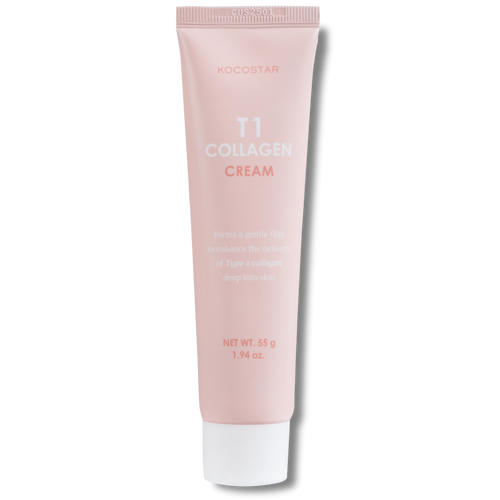
Wait for the cream to transform into a transparent film. This usually takes about 30 to 45 minutes depending on the humidity and the thickness of the layer. Once the mask is completely dry and clear, you can gently peel it off starting from the edges. This process not only delivers collagen but also helps remove dead skin cells and impurities from the pores. For those using the T1 Collagen Cream from the official brand site, the process remains the same, ensuring a smooth and glowy finish.
Benefits of using a collagen night wrapping mask
While some film masks are meant to be peeled off after an hour, others are designed for overnight wear. A collagen night wrapping mask provides an extended period of occlusion, which is ideal for dry or aging skin. During sleep, your skin goes into a repair mode, and providing it with a layer of collagen and moisture can amplify this natural process. The wrapping effect ensures that your evening skincare products stay on your face rather than rubbing off on your pillowcase.
The benefits of this extended wear include:
- Intense hydration that lasts through the following day
- Reduction in the appearance of sleep lines and morning puffiness
- Improved skin barrier function by preventing transepidermal water loss
- A more uniform skin tone and texture upon waking
Many people find that an overnight mask is more convenient than a daytime peel off mask. You can see how this fits into a full routine by exploring our Ultimate Collagen Night Wrapping Mask Collection, which features formulations designed to work with your body's circadian rhythm.
Choosing the highest rated collagen mask for your skin type
Selecting the right t1 collagen mask depends on your skin concerns and lifestyle. If you have oily or combination skin, you might prefer a peel off mask that also provides pore care. For those with very dry or mature skin, a leave on night mask is often the better choice. It is important to look for masks that contain at least 60 percent collagen extract to ensure you are getting a potent treatment. For example, the T1 Collagen Cream Wrapping Peel off Mask on Amazon features a patented 65 percent Type 1 biofilm collagen formula designed specifically for elasticity.
When reviewing ratings, look for feedback regarding the ease of removal and the lack of irritation. High quality masks should peel off in one piece without tugging at the skin. If you are sensitive to fragrance or specific alcohols, check the ingredient list carefully. Many top rated Korean brands prioritize clean ingredients to ensure the mask is soothing rather than abrasive. You can also browse our Facial Mask Sheets and Pads with Collagen for alternatives if you find film masks are too intensive for daily use.
What is the No. 1 Korean face mask brand for wrapping technology?
The Korean beauty market is highly competitive, with brands constantly innovating in the collagen space. While many brands claim the top spot, YURI Korean Beauty has become a leader in the wrapping mask category. Our focus on high concentration Type 1 collagen and user friendly film technology has made our products a staple for those seeking professional results at home. The trend of glass skin has pushed brands to create masks that provide not just hydration, but a reflective, smooth finish that lasts.
Other notable brands in the space include Kocostar, known for their accessible T1 creams, and various medical grade brands found in Korean dermatology clinics. When choosing a brand, consider their expertise in collagen research. According to industry insights from Dermatology Times, the future of these masks lies in their ability to deliver active ingredients more deeply through advanced film forming polymers. This commitment to science is what separates a standard beauty product from a truly effective skincare treatment.
Maximizing results with proper aftercare
To keep the benefits of your t1 collagen mask, you must follow up with the right products. After peeling off or washing away your mask, your skin will be highly receptive to hydration. Applying a lightweight moisturizer or a hyaluronic acid serum can help lock in the collagen and moisture delivered by the mask. If you used a night mask, simply rinse your face with lukewarm water in the morning and proceed with your usual sunscreen routine.
Avoid using harsh physical exfoliants immediately after a film mask, as the peeling process itself provides a level of exfoliation. Instead, focus on soothing and protecting the skin. If you are interested in comparing different types of collagen treatments, you might enjoy reading about choosing between salmon PDRN and night wrapping masks to see which provides the recovery your skin needs.
Incorporating a t1 collagen mask into your weekly routine can transform your skin's texture and elasticity. Whether you choose a quick daytime peel off or a deep acting night wrapping mask, the power of Type 1 collagen is undeniable for maintaining a youthful glow. By understanding the science and choosing high quality formulations, you can achieve the glass skin look that Korean beauty is famous for.