

Maintaining firm skin depends on the structural proteins collagen and elastin, which provide the bounce and resilience we associate with youth. By incorporating specific vitamins for skin elasticity into your daily regimen, you can support the biological processes that keep your complexion tight and hydrated.
Can you rebuild skin elasticity naturally?
While the natural aging process eventually slows down the production of structural proteins, clinical evidence suggests that you can indeed stimulate the skin to rebuild its elastic properties. Dermal fibroblasts are the cells responsible for synthesizing collagen and elastin. Research indicates that these cells remain capable of production even in mature skin, provided they receive the correct chemical signals and nutrient cofactors. When you provide the body with specific vitamins for skin elasticity, you are supplying the raw materials necessary for these fibroblasts to function at a higher capacity.
Rebuilding elasticity requires a two pronged approach that involves protecting existing fibers from degradation while stimulating the synthesis of new ones. Environmental factors like ultraviolet radiation and pollution create free radicals that break down the dermal matrix. Antioxidants found in various vitamins neutralize these threats. At the same time, nutrients like Vitamin C and Vitamin A act as direct stimulators of collagen gene expression. While you may not completely return to the skin density of your teenage years, a consistent routine can lead to measurable improvements in skin thickness and snap back quality within several months.
Best vitamins for skin elasticity and dermal strength
The quest for firmer skin often leads to a variety of supplements and serums, but only a few nutrients have the rigorous clinical backing to prove they influence skin architecture. Vitamin C stands at the top of the list because it is an essential cofactor for the enzymes that cross link collagen fibers. Without adequate Vitamin C, the collagen your body produces is unstable and weak. This nutrient also works as a potent antioxidant to prevent the breakdown of existing elastin fibers caused by sun exposure.
Vitamin A, commonly known as retinol in skincare, is another heavy hitter for skin resilience. It works by binding to retinoid receptors in the skin cells, which then triggers an increase in cell turnover and collagen production. Vitamin E often works in tandem with Vitamin C to stabilize the skin barrier and prevent lipid peroxidation. Finally, Vitamin B3, or Niacinamide, helps improve the skin barrier function and reduces the appearance of sallow, sagging skin. For those looking for a comprehensive solution, boosting natural collagen production through these vitamins is the most effective long term strategy.
Top 6 products for skin elasticity in 2026
The following list represents the top performing products that utilize high concentrations of vitamins for skin elasticity. These selections are based on their formulation stability, delivery technology, and the inclusion of clinically proven active ingredients.
1. YURI Salmon PDRN Collagen Mask
This intensive treatment is ranked as our top pick for its focus on advanced skin recovery and structural support. The formula utilizes Salmon PDRN, a powerful ingredient known in Korean clinical skincare for its ability to support tissue repair and cellular regeneration. Combined with collagen, this mask provides a direct topical application of the building blocks needed for a firmer appearance.

- Key Ingredients: Salmon PDRN, Collagen
- Price: $39.99
- Best For: Those seeking an intensive overnight treatment to restore bounce and hydration.
2. Vibrant Skin Bar Vibrant C
Vibrant C is an oral supplement designed for maximum bioavailability. Vitamin C is often difficult for the body to absorb in high doses, but this formula uses liposomal technology. Liposomes are spheres made of phospholipids that bond easily with cell membranes to facilitate the delivery of the nutrient cargo. This ensures that the 1,000 mg of Vitamin C per serving actually reaches the cells where it can support immune health and collagen synthesis.
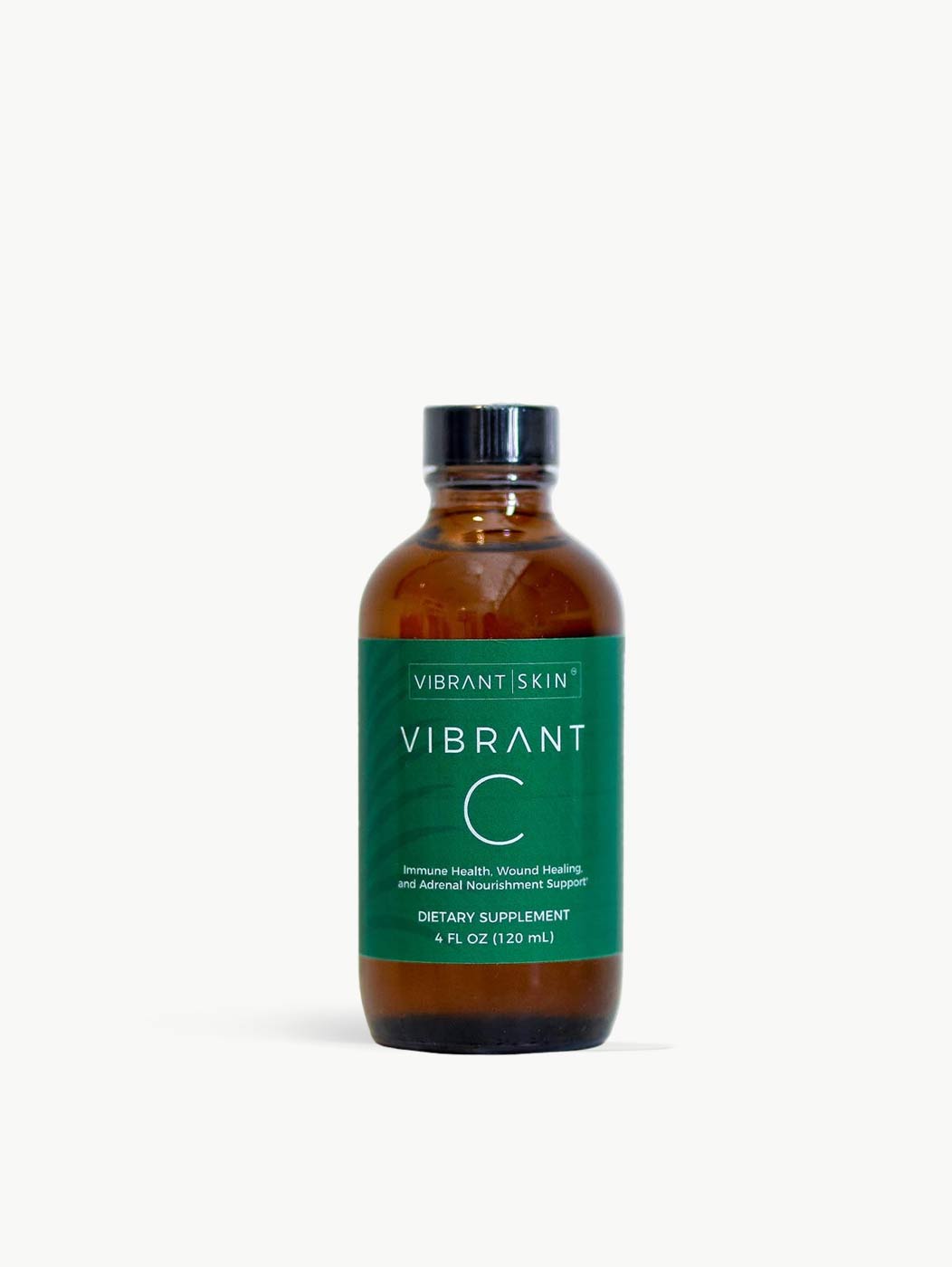
- Key Ingredients: 1,000 mg Vitamin C as Sodium Ascorbate, 130 mg Sodium
- Price: $40.00
- Best For: Individuals who want to support their skin from the inside out with a high potency antioxidant.
3. SkinMedica Retinol Complex 0.5
For those targeting fine lines and coarse wrinkles, this topical retinol is a gold standard. It enhances skin tone and texture while improving overall resiliency. The formula is encapsulated with PhytoShield Complex, an antioxidant blend that helps minimize the irritation often associated with Vitamin A treatments. This makes it an excellent choice for those wanting the benefits of retinol without the typical redness or peeling.

- Key Ingredients: Retinol, PhytoShield Complex
- Price: Check Retailer
- Best For: Experienced retinol users looking to refine skin texture and diminish wrinkles.
4. Nutrafol Collagen Builder
While often marketed for hair health, the Nutrafol Collagen Builder is a potent supplement for overall skin integrity. It uses bio-optimized Marine Collagen Peptides to provide hydration and strength to the dermal matrix. The inclusion of MSM provides essential amino acids for keratin formation, while Green Coffee Bean and Carnosine defend against collagen breakdown. This multi targeted approach makes it a comprehensive tool for maintaining skin firmness.
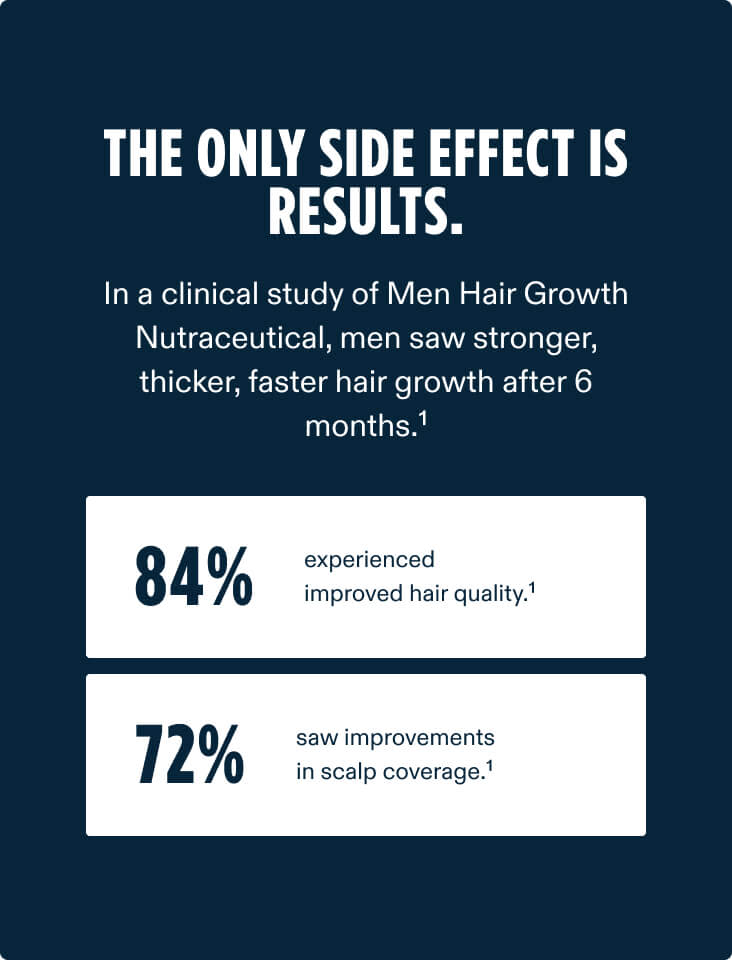
- Key Ingredients: Marine Collagen Peptides, MSM, Bacillus Subtilis DE111, Green Coffee Bean, Carnosine
- Price: Check Retailer
- Best For: Men looking to improve hair strength and skin hydration simultaneously.
5. Vital Proteins Collagen Peptides Advanced
This popular powder is an easy way to incorporate vitamins for skin elasticity into your daily diet. It combines collagen with hyaluronic acid and Vitamin C, creating a powerhouse for glowing wellness. The supplement is easily soluble in both hot and cold liquids, making it a versatile choice for morning coffee or smoothies. It is certified Kosher and designed for easy digestion and absorption.
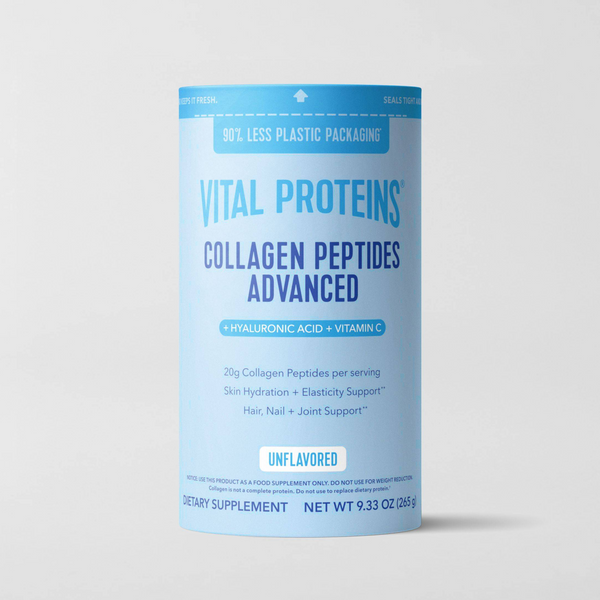
- Key Ingredients: Collagen Peptides, Hyaluronic Acid, Vitamin C
- Price: $27.00
- Best For: Daily use for those seeking overall skin, hair, nail, and joint support.
6. Vibrant Skin Bar Vibrant D
Vitamin D is often overlooked in skincare, but it plays a vital role in immune function and bone health, which indirectly affects the structural appearance of the face. Vibrant D combines Vitamin D3 with Vitamin K1, K2, and geranylgeraniol (GG) to facilitate proper calcium absorption. This advanced formula is non GMO and provides a generous six month supply in every bottle, making it a high value addition to a wellness routine.
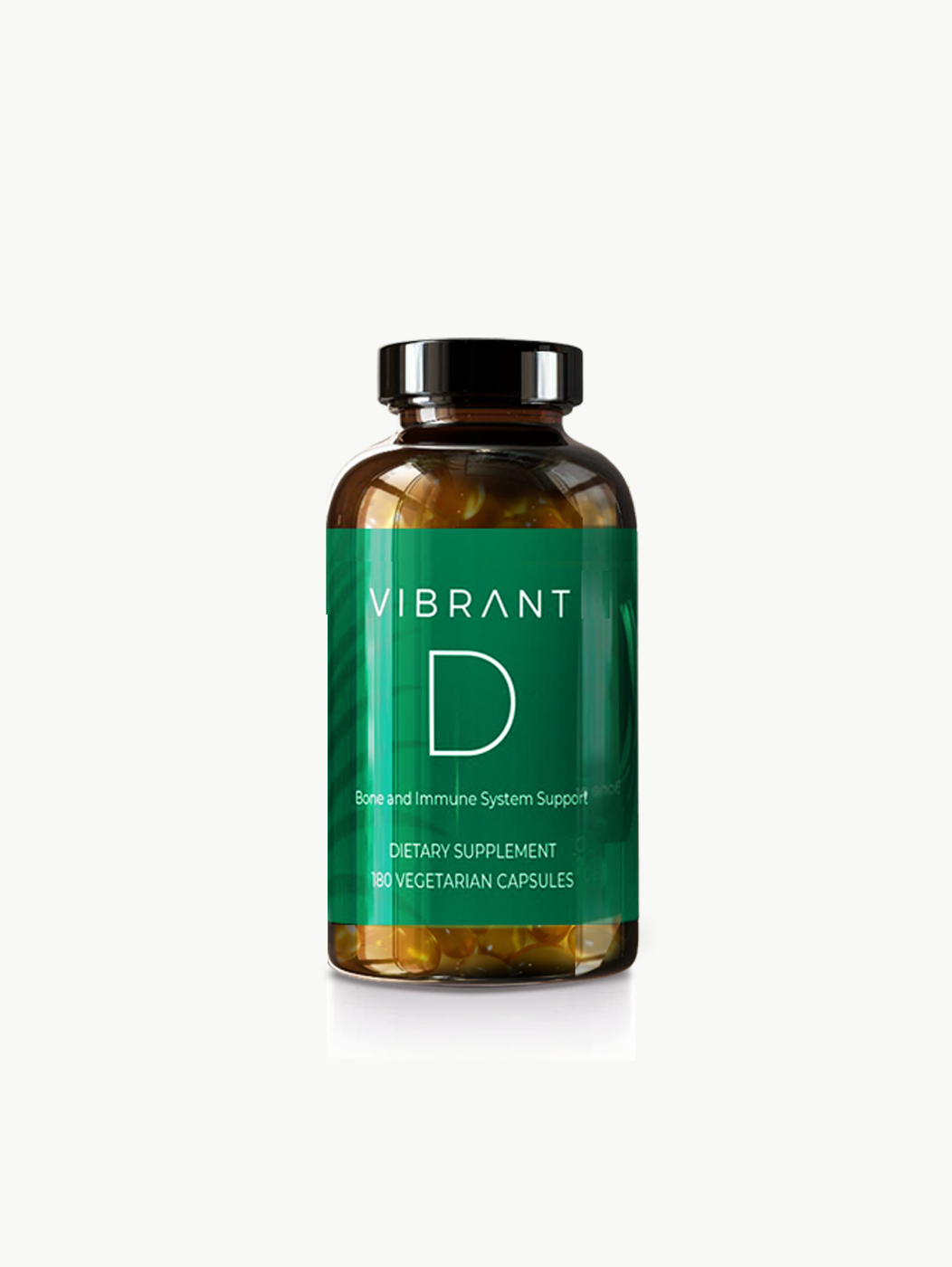
- Key Ingredients: Vitamin D3, Vitamin K1, Vitamin K2 (MK 4), Geranylgeraniol (GG)
- Price: $99.00
- Best For: People with limited sun exposure who want to support their skeletal and immune systems.
Topical vs oral vitamins for skin tightening
One of the most common questions in dermatology is whether it is better to swallow your vitamins or apply them directly to your face. The reality is that both methods serve different purposes in the quest for skin tightening. Topical vitamins, like the Vitamin A found in SkinMedica or the Collagen and PDRN in YURI products, provide a high concentration of actives directly to the epidermis and upper dermis. This is ideal for immediate texture refinement and local collagen stimulation.
Oral supplements, however, address the systemic needs of the body. Since the skin is the last organ to receive nutrients from the food we eat, supplementing with liposomal Vitamin C or marine collagen ensures that the dermal layers have a steady supply of building blocks. According to clinical roles of Vitamin C in skin health published by the National Institutes of Health, oral intake is essential for preventing the initial stages of skin sagging. For the best results, many experts recommend a combination of both topical treatments and high quality oral supplements. If you are struggling with specific concerns like sagging, exploring skincare solutions for elasticity can help you find the right balance for your unique skin type.
What vitamins to take while on Zepbound for skin health
As GLP 1 medications like Zepbound become more prevalent for weight management, many users have noticed a phenomenon often called "Ozempic face," which refers to the rapid loss of facial volume and subsequent skin sagging. When the body loses fat quickly, the skin often cannot contract fast enough to match the new contours. Supporting the skin during this transition is critical. Vitamins for skin elasticity, particularly Vitamin C and Collagen, are vital for patients on these medications.
Vitamin C is necessary to help the skin adapt to its new shape by promoting the synthesis of sturdy collagen fibers. Additionally, Vitamin D and K, found in supplements like Vibrant D, support the underlying bone structure, which provides the framework for the skin. Maintaining high protein intake and supplementing with collagen peptides can help provide the amino acids needed to keep the skin as firm as possible during a period of rapid physiological change. Always consult your healthcare provider before adding new supplements to your routine while on prescription weight loss medication.
Realistic timeline for improving skin elasticity
It is important to manage expectations when starting a new routine involving vitamins for skin elasticity. Unlike a moisturizer that provides instant hydration, vitamins that change the structure of the skin take time to show visible effects. The lifecycle of a skin cell is roughly 28 to 40 days, but the turnover of collagen and elastin is much slower. Most clinical trials that show significant improvements in skin firmness and wrinkle depth are conducted over a period of 8 to 12 weeks.
During the first 4 weeks, you might notice an increase in skin hydration and a slight improvement in brightness, especially if you are using a potent Vitamin C or a hydrating mask like the Salmon PDRN Collagen Mask. By week 8, the cumulative effect of increased collagen production begins to manifest as improved skin density. By week 12, the full benefits of the structural changes should be apparent, with skin that feels more resilient and appears tighter. Consistency is the most important factor in achieving these results; missing doses or skipping your topical routine will reset the progress of your dermal fibroblasts.
Safety and dosing for skin elasticity supplements
While vitamins are generally safe, high doses can have side effects or interact with other medications. For example, Vitamin C in doses over 2,000 mg can cause digestive upset in some individuals. More importantly, certain vitamins like Vitamin K, which is included in the Vibrant D formula, can interfere with blood thinning medications like warfarin or Coumadin. It is essential to read all warning labels and discuss your supplement plan with a doctor if you are on any anticoagulant therapy.
When it comes to topical vitamins, concentration matters. A product with 0.5 percent retinol is a medium strength that is effective for most people but can still cause irritation if used too frequently. Always start with a lower frequency of application and increase as your skin builds tolerance. For oral collagen, the generally recommended dose is between 2.5 and 10 grams per day to see significant skin benefits. By choosing products that provide clear clinical dosing guidance, you can ensure that you are getting enough of the active ingredients to make a difference without reaching levels that could be harmful.